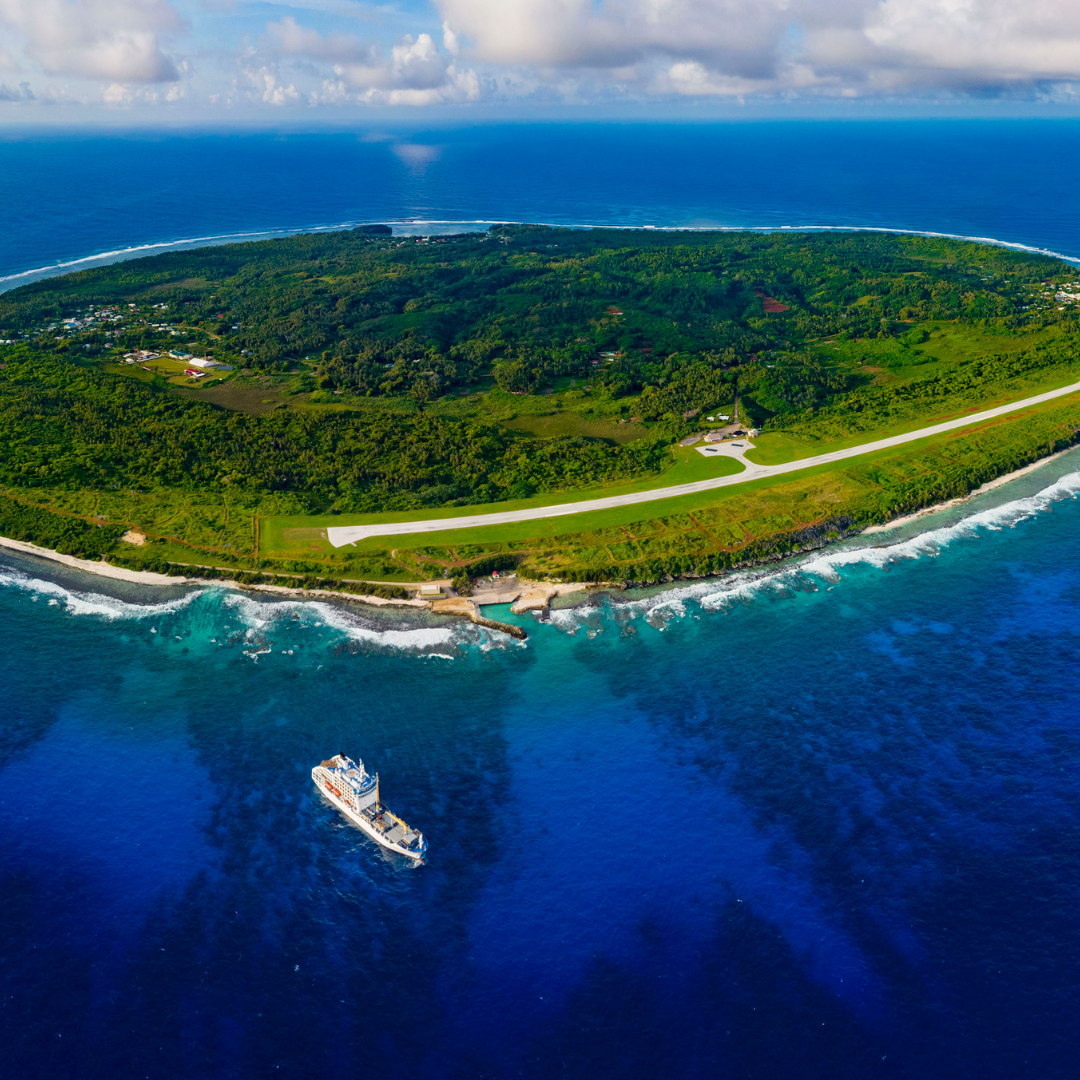
Marquesas Art Festival
Discover The Marquesas
The Marquesas Islands have been designated a UNESCO World Heritage Site since July 26, 2024, for their cultural and natural riches.
12 days / 11 nights

Itineraries | Schedule | Cabin & Rates
Day 1
Departure from Tahiti (Papeete) - Moorea
Departure from Papeete at 12:00 pm, welcome of our crew and navigation to the Tuamotu archipelago.
Day 2
Fakarava
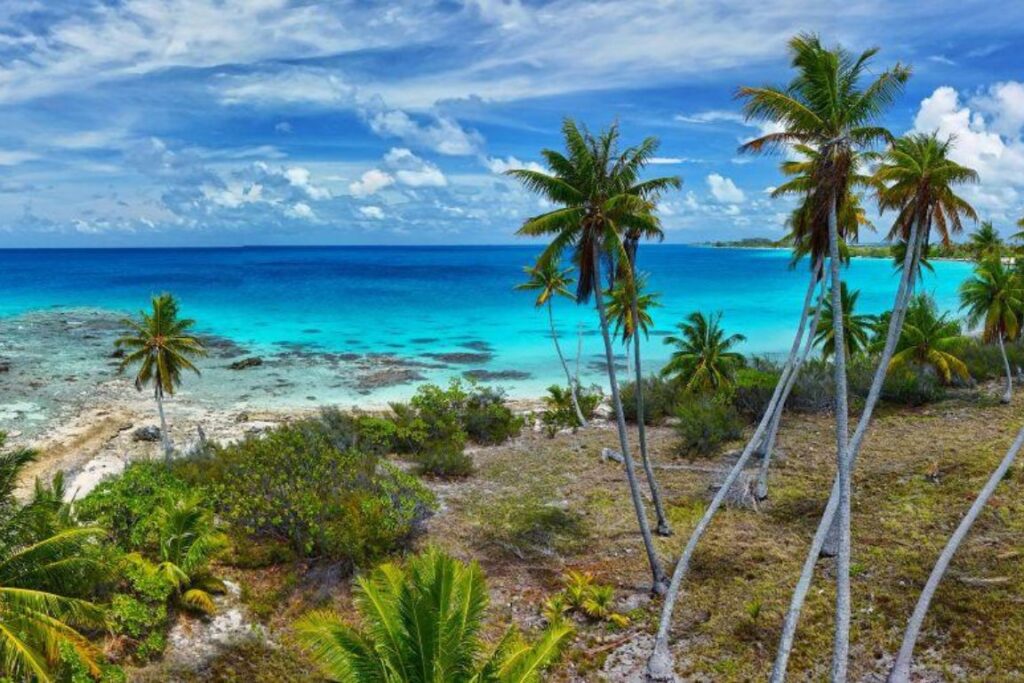
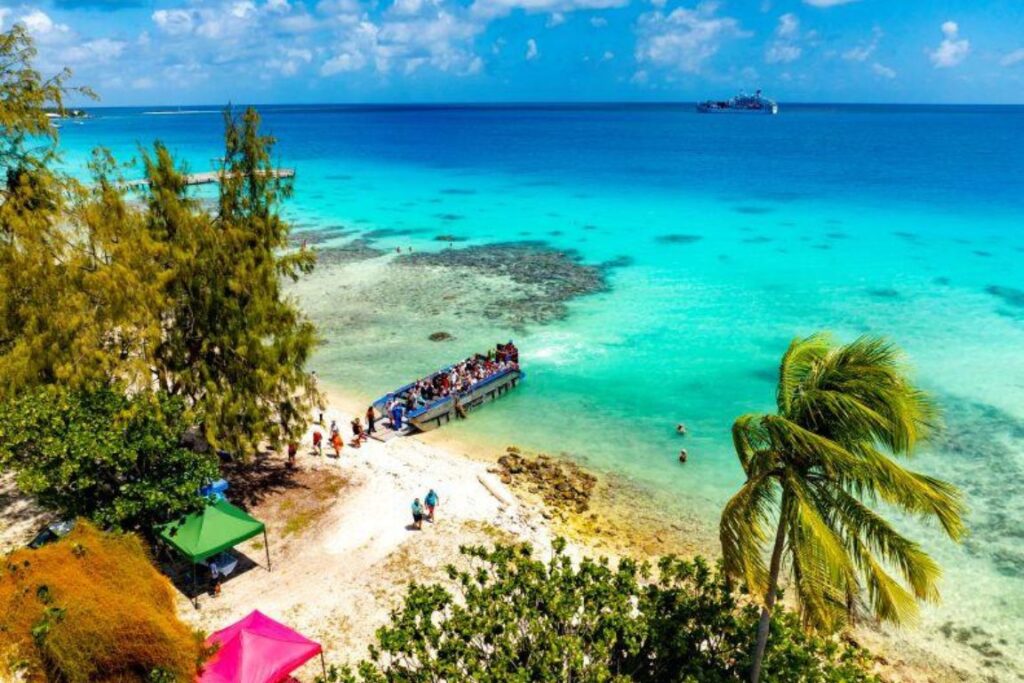
Classified as a Biosphere Reserve by UNESCO for the preservation of rare species, Fakarava is the second largest atoll in French Polynesia. After a buffet on board, the Aranoa will disembark at the dock of “Rotoava”. Passengers will have time to discover its small village, the church built of coral, local crafts and a demonstration of the virtues of coconut. Enjoy a day of relaxation, sun and beach, swimming or snorkeling among multicolored tropical fish.
Day 3
At sea
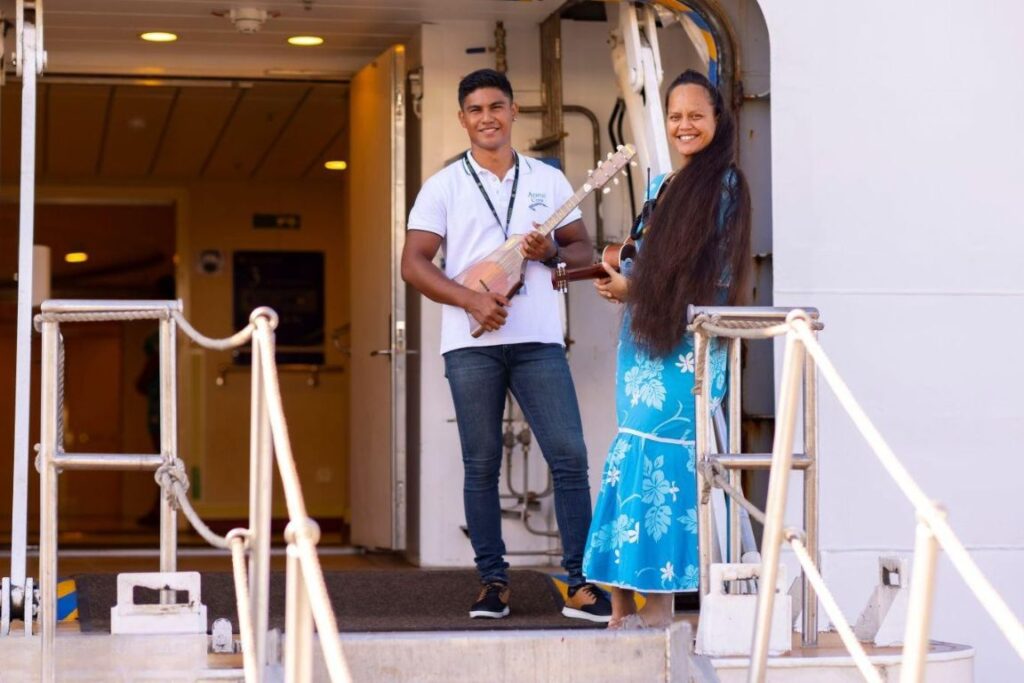
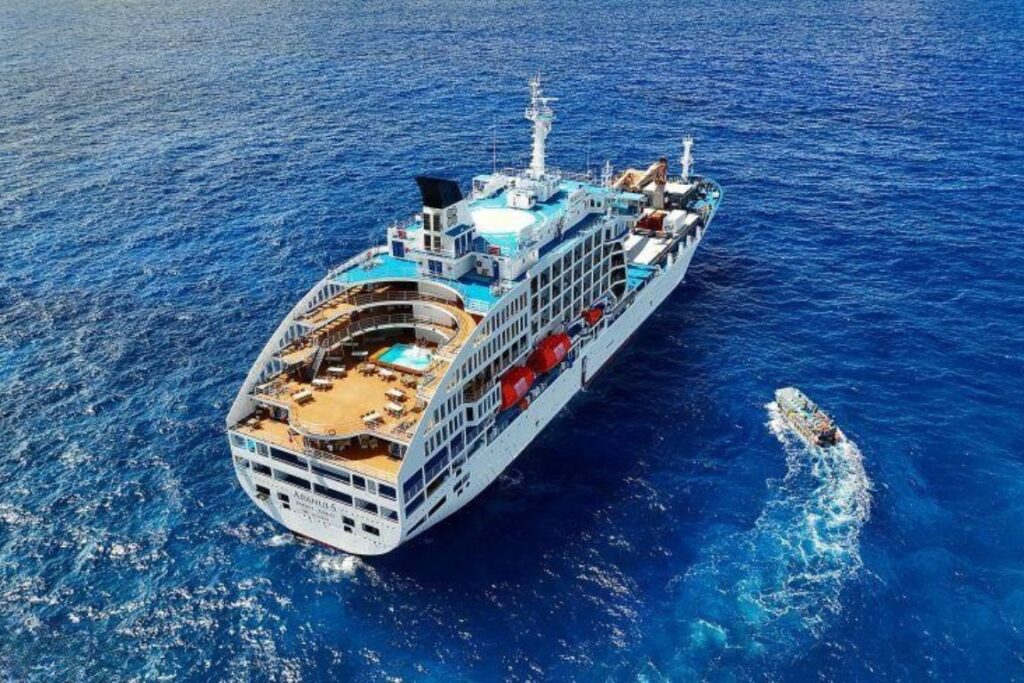
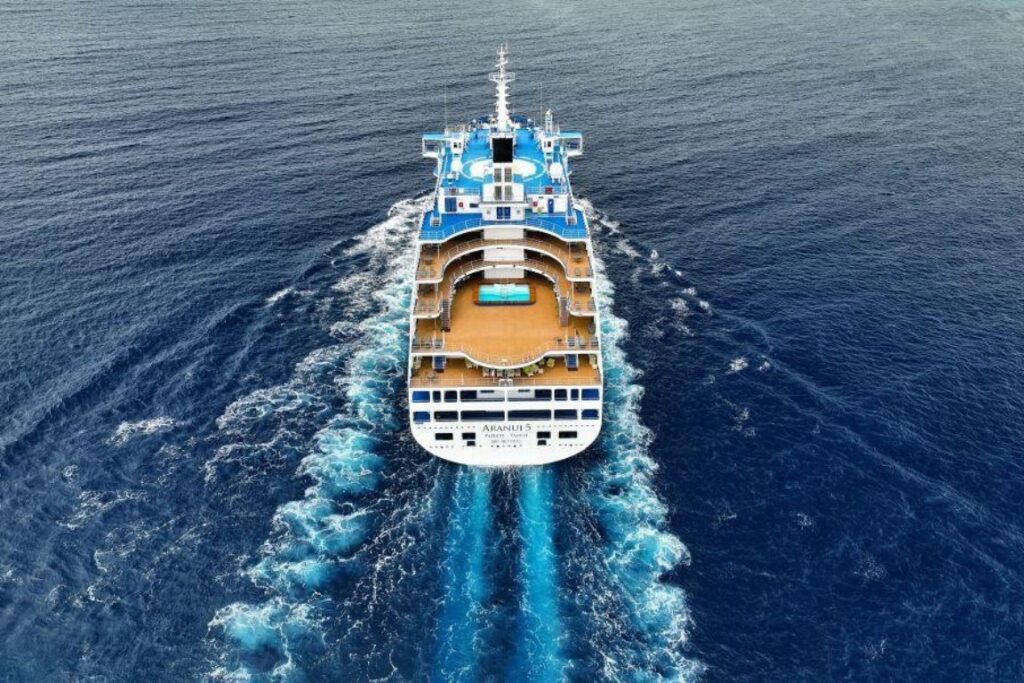
A day to relax at the Pool Deck or in the comfort of our air-conditioned lounge. Or why not just enjoy the view of the South Pacific Ocean during our crossing to the fascinating Marquesas Islands. Lectures on the Culture and History of the Marquesas Islands will make you go back in time and give you a complete overview of this ancient civilization. During the cruise, you will also have the opportunity to learn how to move your hips like a true Tahitian! The fiery Polynesian crew, proudly present their way of life and entertain you with Polynesian songs and rhythms on their ukulele, guitars and drums. Before going to bed, set your watch 30 minutes in advance, we switch to Marquesas time.
Day 4
Nuku Hiva (Taiohae – Hatiheu – Taipivai)
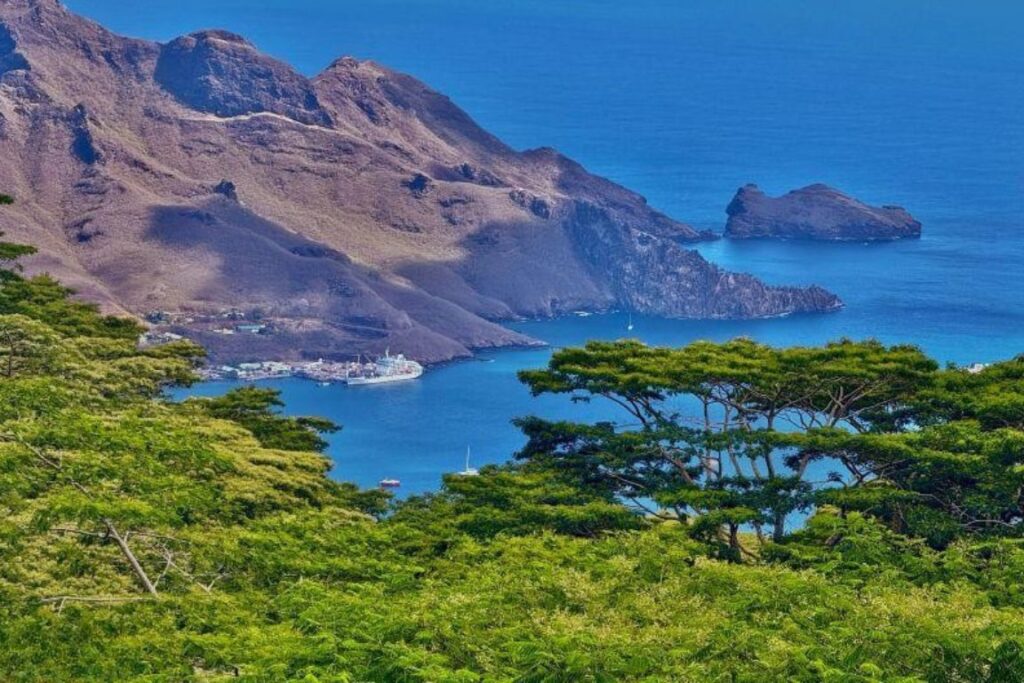
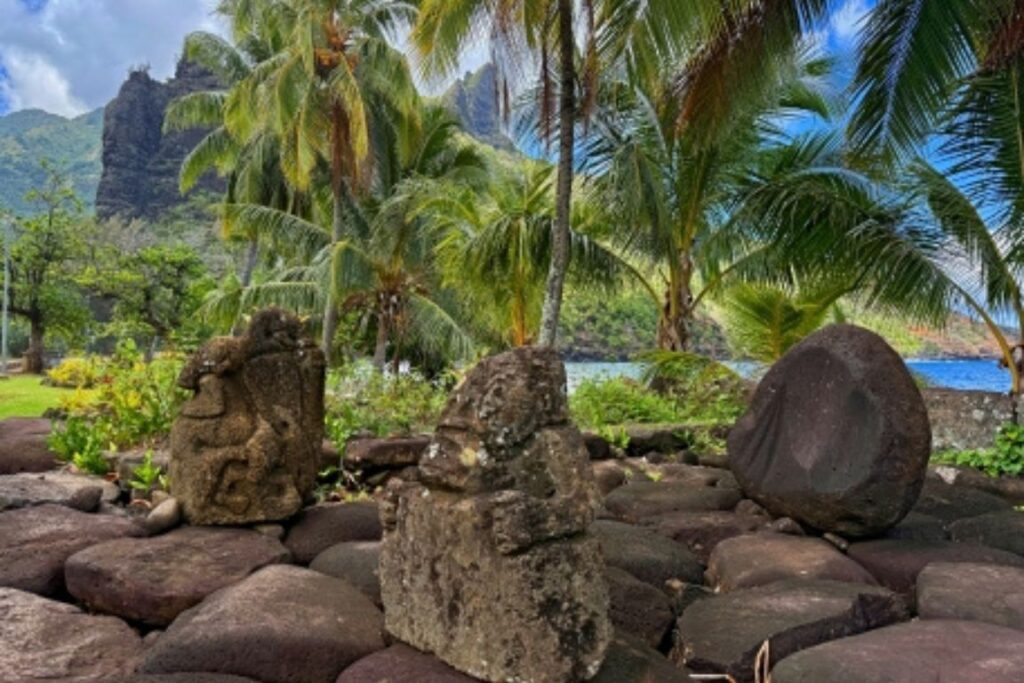
While the Aranui is unloading, you can explore Taiohae, the small administrative capital of the Marquesas. Taiohae Bay is where writer Herman Melville then a 23-year-old sailor and buddy jumped off a whaler in 1842. After breakfast, passengers will disembark and will take the 4×4 that will be waiting for them for the day’s excursion. Our first stop will be a visit to Taiohae Cathedral. You can visit the Cathedral or go to the market to buy handicrafts. Then, we will visit the archaeological site of “Tohua Kamuihei” with its giant banyan trees and petroglyphs. Your first introduction to traditional Marquesan cuisine will be served for lunch. Local music during the meal will provide a great atmosphere. Your excursion will continue south to Taiohae with its spectacular bay, a giant volcanic amphitheater dominated by towering cliffs dotted with waterfalls. Back to Taiohae village, you will also find banks and shops. You can return to the ship from the village on foot or by car.
7pm: Polynesian evening with plancha buffet around the pool (Deck 7) or at the Restaurant (Deck 4) depending on weather conditions.
Day 5
Ua Pou (Hakahau)
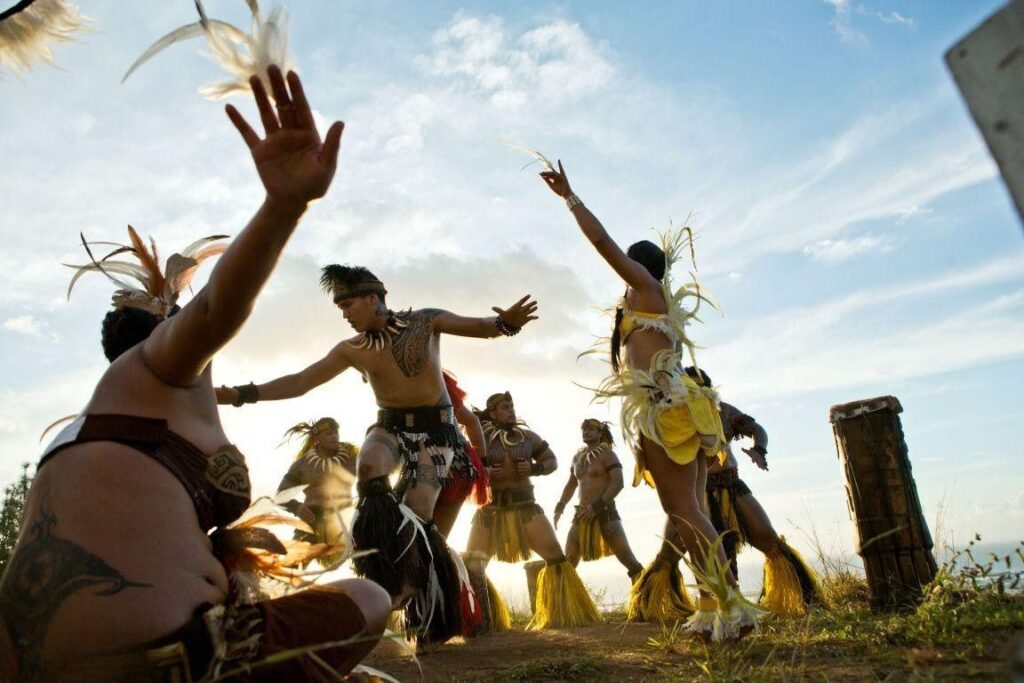
From the decks, you’ll see Ua Pou’s unique mountain spires. While the crew unloads supplies, cement, sugar, and loads bags of copra (dried coconuts) and fruit, explore the picturesque village of Hakahau and its church with a hand-carved wooden platform. Meet the island’s talented sculptors and artists, climb up to the Cross for a breathtaking view of the mountains, lush valleys and main village. Another delicious Marquisan lunch will be served: breadfruit, a Marquisan staple with curried goat (a specialty of the Marquesas Islands), raw fish marinated in lemon juice and coconut milk, taro and red bananas. Enjoy an excellent dance performance, including the traditional UA POU “bird dance”.
Day 6
Hiva Oa (Atuona)
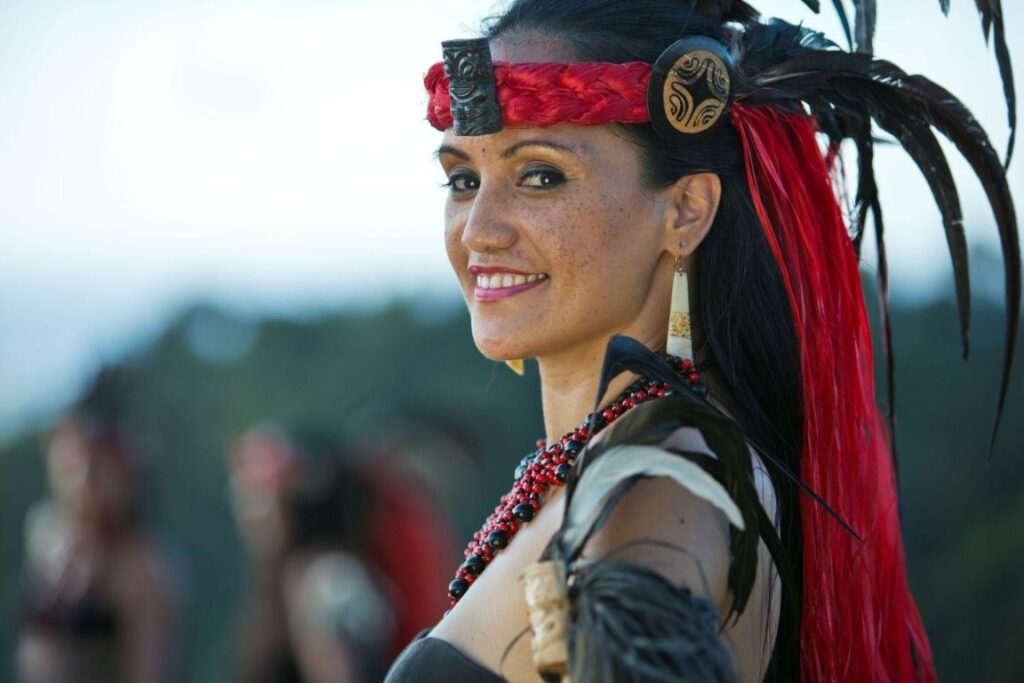
During the stopover in Atuona for the Marquesas Festival, passengers will experience a unique immersion in Marquesan culture. The morning will be punctuated by traditional dances performed by young people, a new feature of the festival, as well as the discovery of craft stands with demonstrations and visits to the island’s museums. At midday, the Kaikai Katahi will bring all guests together for a grand feast featuring culinary specialties from the different islands. In the evening, the festivities continue with performances of traditional dances performed by adults, offering an even deeper immersion into the Marquesan soul before the Aranui’s night-time departure.
Day 7
Hiva Oa (Atuona)
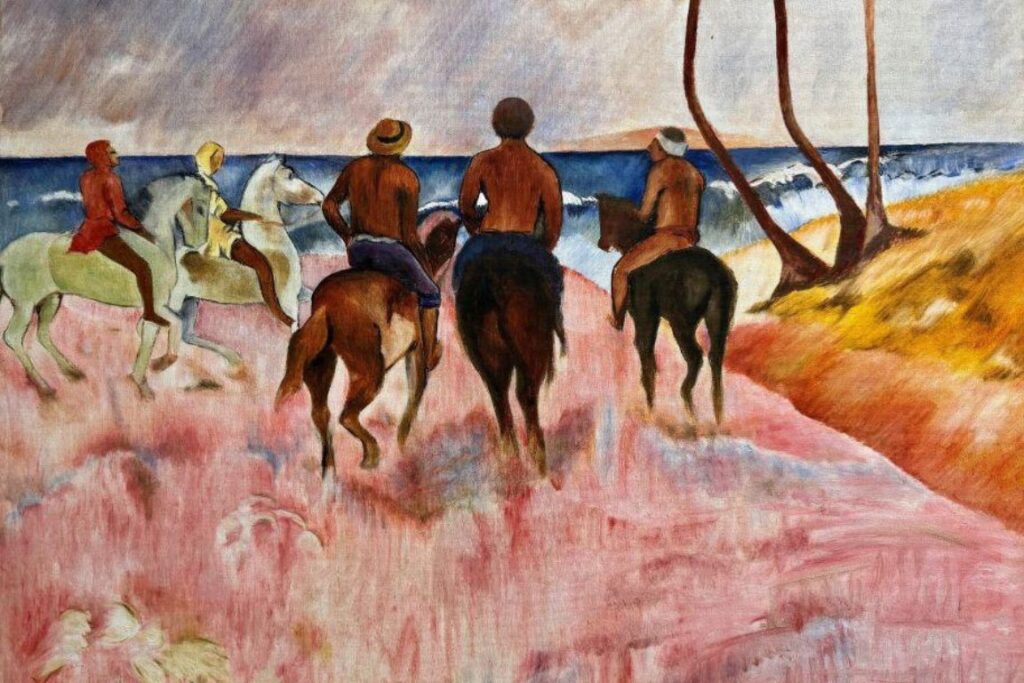
You’ll have plenty of time to explore Atuona, the second largest village in the Marquesas. This is where Paul Gauguin lived and created some of his work. By 4X4, you’ll visit the Marquesas Islands’ largest archaeological site, “Tohua Taa’oa”. You can also visit the colonial store where he bought his bread, as well as a replica of his infamous “pleasure house” and the Museum. As you walk up the hill to the cemetery, you’ll have a breathtaking view of the motu Hanakee. Beneath a huge frangipani tree is a gravestone with the simple words: Paul Gauguin 1903. Nearby is the grave of another famous European who also fell in love with Hiva Oa: Belgian singer-songwriter Jacques Brel, who died in 1978.
Day 8
Hiva Oa (Puamau) - Tahuata (Vaitahu)
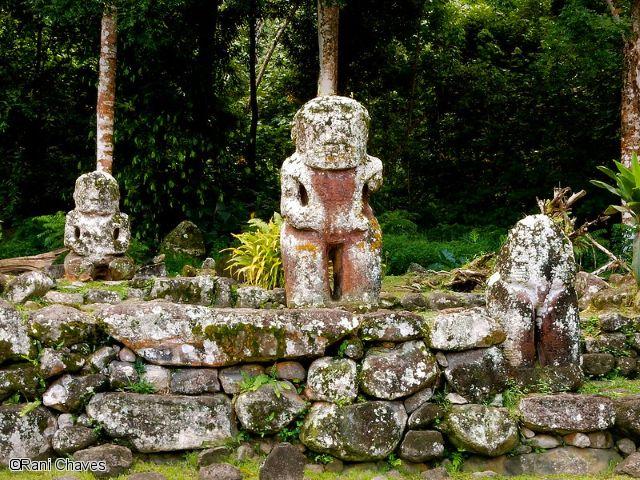
While the names Gauguin and Brel are inseparable from Hiva Oa, the soul of the island is to be found in the Puamau valley. At the archaeological site of I’ipona (also known as Lipona), every nook and cranny is an enchantment. Located at the foot of the Toea peak at the island’s northeastern tip, the site is home to several tiki. Among them is the largest tiki in Tahiti Et Ses Îles: Takaii, standing 2.57 metres high. You’ll also come across Makii Taua te Pepe, a recumbent tiki measuring 1.75 metres long and 1.20 metres high.
In the afternoon, the Aranui will anchor in the small bay of Tahuata. The only access is by sea, as there is no airport on Tahuata. On this leaf-shaped island, the air is thick with the scent of Tahitian tiare, frangipani and history. In 1595, Spanish explorers landed in the village of Vaitahu and opened fire on a crowd of curious islanders, killing around 200. Tahuata was also the site of the first French colony in the Marquesas in 1842. The large church, built by the Vatican, is decorated with fine Marquesan sculptures and magnificent stained-glass windows symbolizing the Virgin Mary. Tahuata is famous for its exquisite helmet shell and bone carvings. There’s plenty to choose from in the village.
Day 9
Fatu Hiva (Omoa – Hanavave)
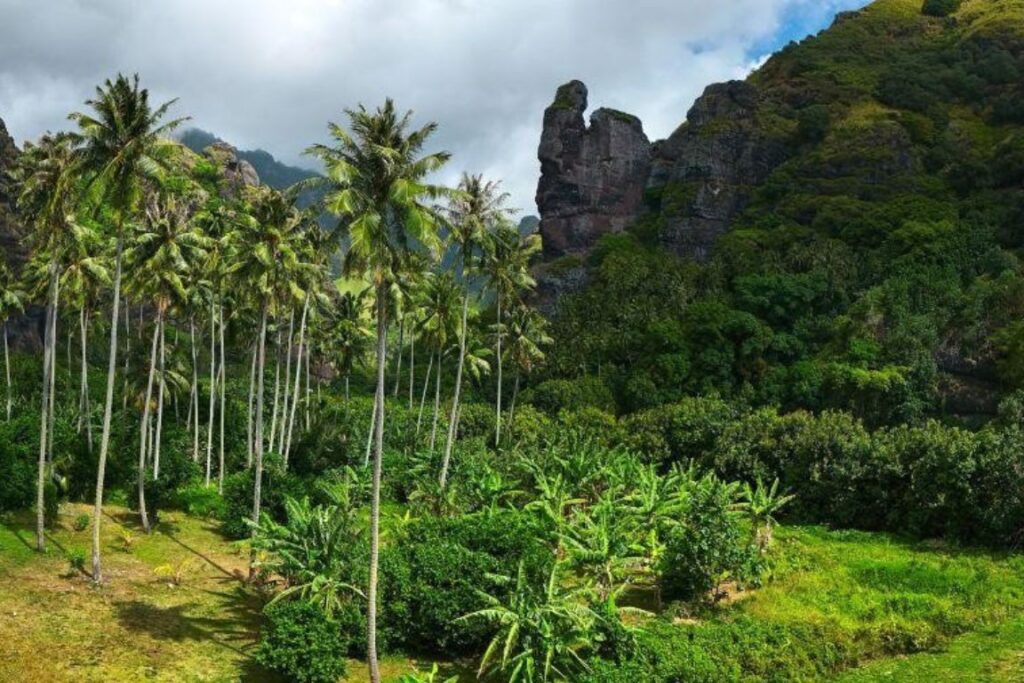
Fatu Hiva, the most lush and remote of the Marquesas Islands, is also a Marquesan craft centre. In the village of Omoa, the women will show you how to make tapas by crushing the bark of paper mulberry, banyan or bread tree but also the making of ‘Umuhei, an island herbal blend used to perfume their hair. After visiting the village, the most sporty passengers can opt for a 15km hike that will take them from Omoa to Hanavave, offering breathtaking views of the high cliffs. Lunch will be served at the top. Non-hikers will sail aboard the Aranui, from Omoa to Hanavave to Virgin Bay, considered one of the most beautiful bays in the world. Meet ashore for a tour of the village and to welcome hikers.
Day 10
Ua Huka (Vaipaee – Hane – Hokatu)
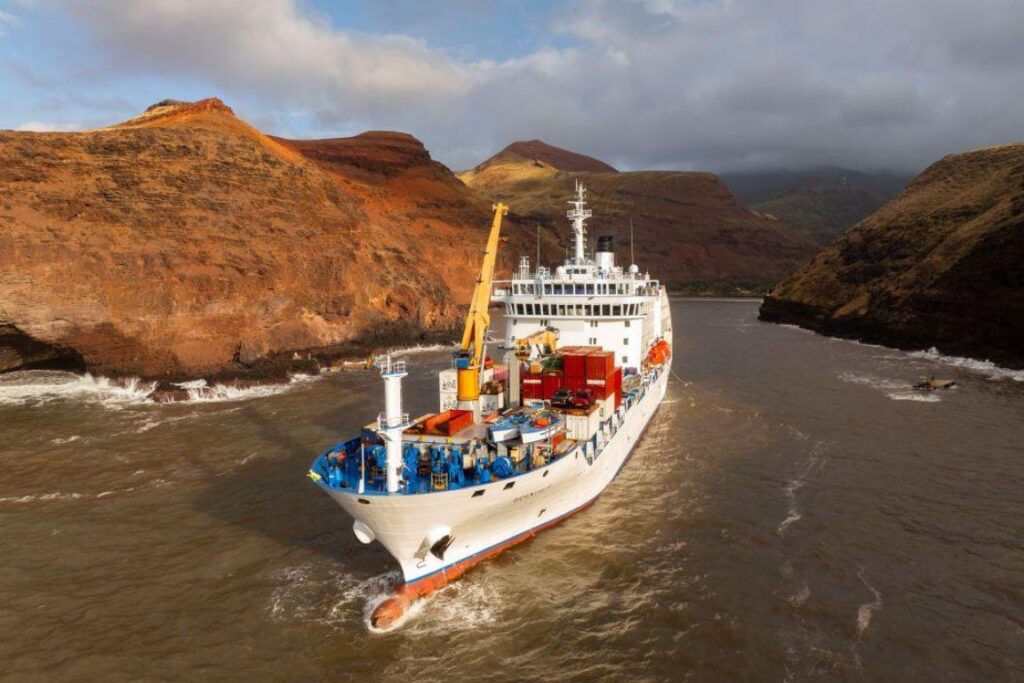
This island, which saw the construction of the Marquesas’ first airstrip in 1972, is largely arid and home to numerous wild horses, goats and pigs. In the early hours of the morning, the Aranui will perform an impressive maneuver, a 180-degree turn in the magnificent “Invisible Bay” of Vaipaee. A maneuver requiring the full dexterity of captain and crew, it’s not to be missed. Back in your 4×4 to explore the island, stopping for breathtaking views, visit the arboretum born of the passion of the island’s former mayor, before reaching the beautiful village of Hane. Lunch will be served in a local family restaurant. Discover some of the island’s specialties, including handicrafts, wood carvings and engraved coconut shells. After lunch, return on board by 4×4. For the more adventurous, a 3km walk back from the arboretum awaits. Make sure you’re on deck, as the Aranui will sail all along the Ua Huka coast for more magnificent views.
Day 11
At sea
A day to recover from the emotions of the Marquesas archipelago. During our crossing to the magnificent Tuamotu islands, conferences and activities will be offered throughout the day.
Before going to bed, set your watch back 30 minutes to Tahitian time.
Day 12
Rangiroa or Makatea
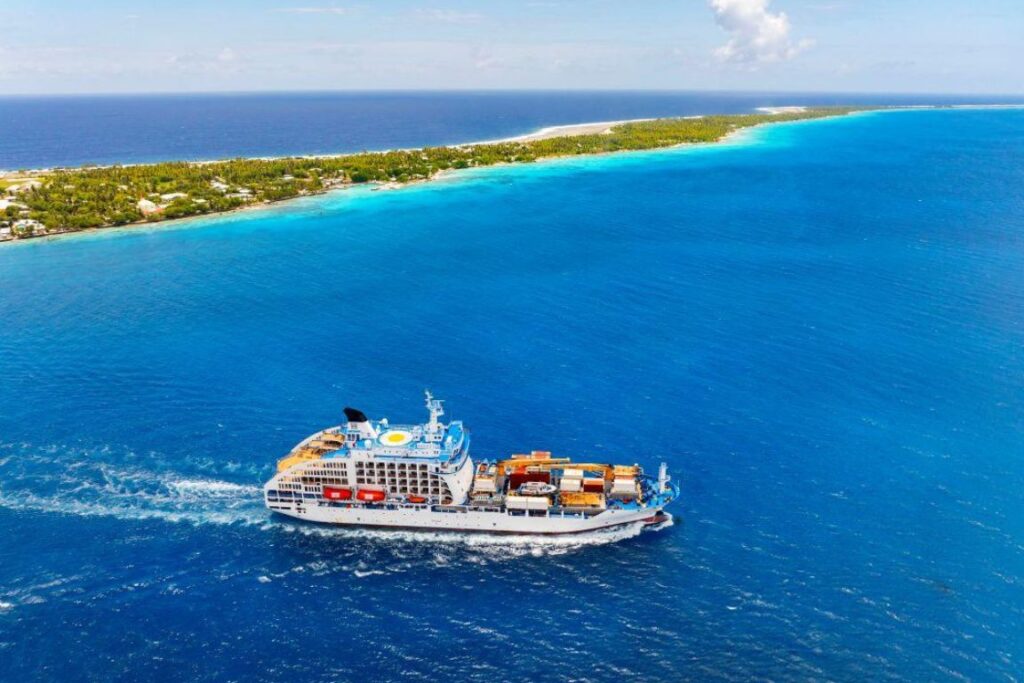
RANGIROA : Watch from the decks as we approach and arrive at the largest atoll in French Polynesia, and the second largest in the world. You may spot playful dolphins greeting the ship as we enter Tiputa Pass, one of Rangiroa’s passes. Glass-bottom boat and scuba diving excursions are available (registration at reception). Scuba diving here is rated among the best in the world (certified divers only). If you decide not to visit, enjoy Rangiroa’s white sandy beach and translucent lagoon. The local “mamas” will have an excellent display of shell necklaces, chains and key chains, and other small souvenirs for sale on the beach. The Aranui will depart at lunchtime and sail to the mystical island of Bora Bora.
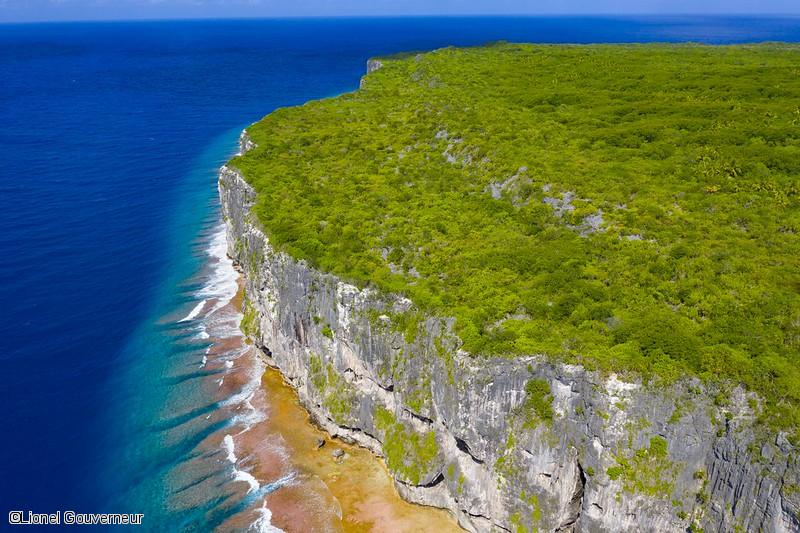
MAKATEA : Aranui offers the opportunity to visit Makatea’s remains, phosphate mining and caves, to cross the island on foot or by car, to picnic under the cliffs or on the beach. A raised atoll, Makatea is a type of atoll or coral island in which all or part of the land is made up of a former coral reef that has emerged. The term Makatea designates a type of raised atoll with the remains of the former volcanic island at its center. The term is also used to refer specifically to the coral scarping found in all types of raised atolls. Makatea is also the name of a coral island in the Tuamotu archipelago (French Polynesia), where a phosphate deposit was mined from 1917 onwards.
After a picnic ashore, the Aranui will sail along the Makatea coast before continuing its journey to the Society Islands.
Day 13
Bora Bora
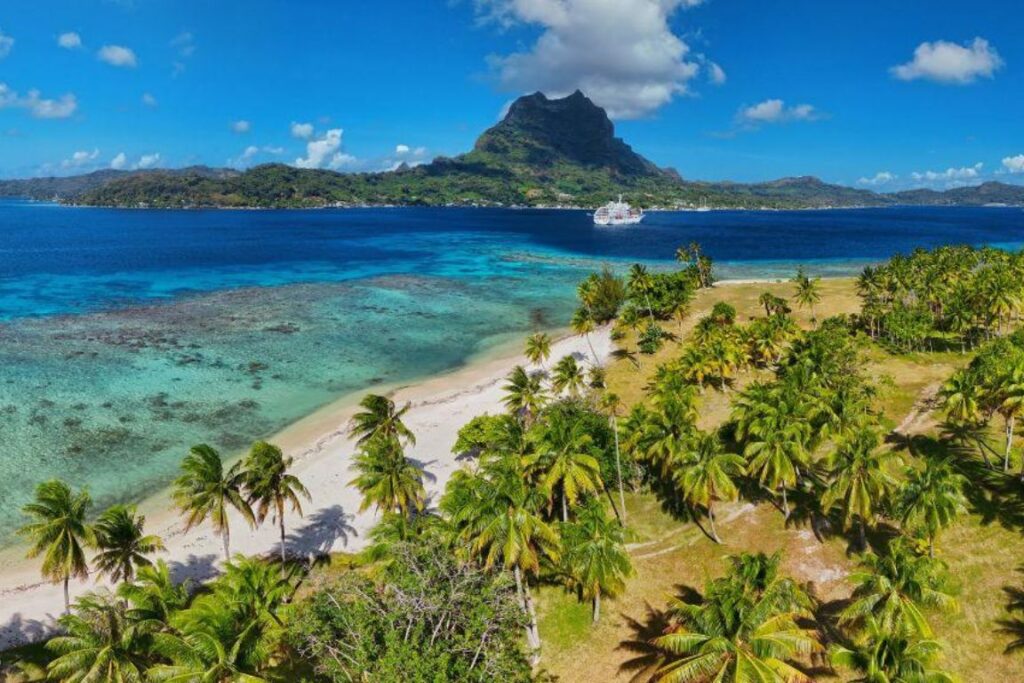
Arriving in Bora Bora’s world-famous lagoon of opalescent blues and greens, you’ll be greeted by the majestic “Mont Otemanu”, the island’s highest peak. In this perfect island paradise, you can enjoy a day at the beach and a barbecue on a private Motu surrounded by crystal-clear waters, the “Motu Tapu”. You can also choose from a variety of optional excursions at extra cost: scuba diving, lagoon tours by boat and pirogue, swimming with sharks and rays! Bora Bora was an American military outpost during the Second World War, and remnants of the war such as cannons and bunkers can be seen on the tour. Evening departure for Papeete.
Day 14
Return to Tahiti (Papeete)
This is the end of our journey. It is time to say Nānā! (goodbye) to your fellow travellers, the Polynesian staff and the Aranoa guides.
Day 1
Departure from Tahiti (Papeete) - Moorea
Departure from Papeete at 12:00 pm, welcome of our crew and navigation to the Tuamotu archipelago.
Day 2
Fakarava
Classified as a Biosphere Reserve by UNESCO for the preservation of rare species, Fakarava is the second largest atoll in French Polynesia. After a buffet on board, the Aranoa will disembark at the dock of “Rotoava”. Passengers will have time to discover its small village, the church built of coral, local crafts and a demonstration of the virtues of coconut. Enjoy a day of relaxation, sun and beach, swimming or snorkeling among multicolored tropical fish.
Day 3
At sea
A day to relax at the Pool Deck or in the comfort of our air-conditioned lounge. Or why not just enjoy the view of the South Pacific Ocean during our crossing to the fascinating Marquesas Islands. Lectures on the Culture and History of the Marquesas Islands will make you go back in time and give you a complete overview of this ancient civilization. During the cruise, you will also have the opportunity to learn how to move your hips like a true Tahitian! The fiery Polynesian crew, proudly present their way of life and entertain you with Polynesian songs and rhythms on their ukulele, guitars and drums. Before going to bed, set your watch 30 minutes in advance, we switch to Marquesas time.
Day 4
Hiva Oa (Atuona)
During the stopover in Atuona for the Marquesas Festival, passengers will experience a unique immersion in Marquesan culture. The morning will be punctuated by traditional dances performed by young people, a new feature of the festival, as well as the discovery of craft stands with demonstrations and visits to the island’s museums. At midday, the Kaikai Katahi will bring all guests together for a grand feast featuring culinary specialities from the different islands. In the evening, the festivities continue with performances of traditional dances performed by adults, offering an even deeper immersion into the Marquesan soul before the Aranoa departs by night.
Day 5
Hiva Oa (Atuona)
You’ll have plenty of time to explore Atuona, the second largest village in the Marquesas. This is where Paul Gauguin lived and created some of his work. By 4X4, you’ll visit the Marquesas Islands’ largest archaeological site, “Tohua Taa’oa”. You can also visit the colonial store where he bought his bread, as well as a replica of his infamous “pleasure house” and the Museum. As you walk up the hill to the cemetery, you’ll have a breathtaking view of the motu Hanakee. Beneath a huge frangipani tree is a gravestone with the simple words: Paul Gauguin 1903. Nearby is the grave of another famous European who also fell in love with Hiva Oa: Belgian singer-songwriter Jacques Brel, who died in 1978.
Day 6
Hiva Oa (Puamau) - Tahuata (Kokuu Beach)
While the names Gauguin and Brel are inseparable from Hiva Oa, the soul of the island is to be found in the Puamau valley. At the archaeological site of I’ipona (also known as Lipona), every nook and cranny is an enchantment. Located at the foot of the Toea peak at the island’s northeastern tip, the site is home to several tiki. Among them is the largest tiki in Tahiti Et Ses Îles: Takaii, standing 2.57 metres high. You’ll also come across Makii Taua te Pepe, a recumbent tiki measuring 1.75 metres long and 1.20 metres high.
In the afternoon, the Aranoa will anchor in the small bay of Tahuata. The only access is by sea, as there is no airport on Tahuata. On this leaf-shaped island, the air is thick with the scent of Tahitian tiare, frangipani and history. In 1595, Spanish explorers landed in the village of Vaitahu and opened fire on a crowd of curious islanders, killing around 200. Tahuata was also the site of the first French colony in the Marquesas in 1842. The large church, built by the Vatican, is decorated with fine Marquesan sculptures and magnificent stained-glass windows symbolizing the Virgin Mary. Tahuata is famous for its exquisite helmet shell and bone carvings. There’s plenty to choose from in the village.
Day 7
Fatu Hiva (Omoa – Hanavave)
Fatu Hiva, the most lush and remote of the Marquesas Islands, is also a Marquesan craft centre. In the village of Omoa, the women will show you how to make tapas by crushing the bark of paper mulberry, banyan or bread tree but also the making of ‘Umuhei, an island herbal blend used to perfume their hair. After visiting the village, the most sporty passengers can opt for a 15km hike that will take them from Omoa to Hanavave, offering breathtaking views of the high cliffs. Lunch will be served at the top. Non-hikers will sail aboard the Aranoa, from Omoa to Hanavave to Virgin Bay, considered one of the most beautiful bays in the world. Meet ashore for a tour of the village and to welcome hikers.
Day 8
Nuku Hiva (Taiohae – Hatiheu – Taipivai)
While the Aranoa is unloading, you can explore Taiohae, the small administrative capital of the Marquesas. Taiohae Bay is where writer Herman Melville then a 23-year-old sailor and buddy jumped off a whaler in 1842. After breakfast, passengers will disembark and will take the 4×4 that will be waiting for them for the day’s excursion. Our first stop will be a visit to Taiohae Cathedral. You can visit the Cathedral or go to the market to buy handicrafts. Then, we will visit the archaeological site of “Tohua Kamuihei” with its giant banyan trees and petroglyphs. Your first introduction to traditional Marquesan cuisine will be served for lunch. Local music during the meal will provide a great atmosphere. Your excursion will continue south to Taiohae with its spectacular bay, a giant volcanic amphitheater dominated by towering cliffs dotted with waterfalls. Back to Taiohae village, you will also find banks and shops. You can return to the ship from the village on foot or by car.
Day 9
At sea
A day to recover from the emotions of the Marquesas archipelago. During our crossing to the magnificent Tuamotu islands, conferences and activities will be offered throughout the day.
Before going to bed, set your watch back 30 minutes to Tahitian time.
Day 10
Rangiroa
Watch from the decks as we approach and arrive at the largest atoll in French Polynesia, and the second largest in the world. You may spot playful dolphins greeting the ship as we enter Tiputa Pass, one of Rangiroa’s passes. Glass-bottom boat and scuba diving excursions are available (registration at reception). Scuba diving here is rated among the best in the world (certified divers only). If you decide not to visit, enjoy Rangiroa’s white sandy beach and translucent lagoon. At lunchtime, the Aranoa will set sail for the mystical island of Bora Bora.
Day 11
Bora Bora
Arriving in Bora Bora’s world-famous lagoon of opalescent blues and greens, you’ll be greeted by the majestic “Mont Otemanu”, the island’s highest peak. In this perfect island paradise, you can enjoy a day at the beach and a barbecue on a private Motu surrounded by crystal-clear waters, the “Motu Tapu”. You can also choose from a variety of optional excursions at extra cost: scuba diving, lagoon tours by boat and pirogue, swimming with sharks and rays! Bora Bora was an American military outpost during the Second World War, and remnants of the war such as cannons and bunkers can be seen on the tour. Evening departure for Raiatea.
Day 12
Raiatea
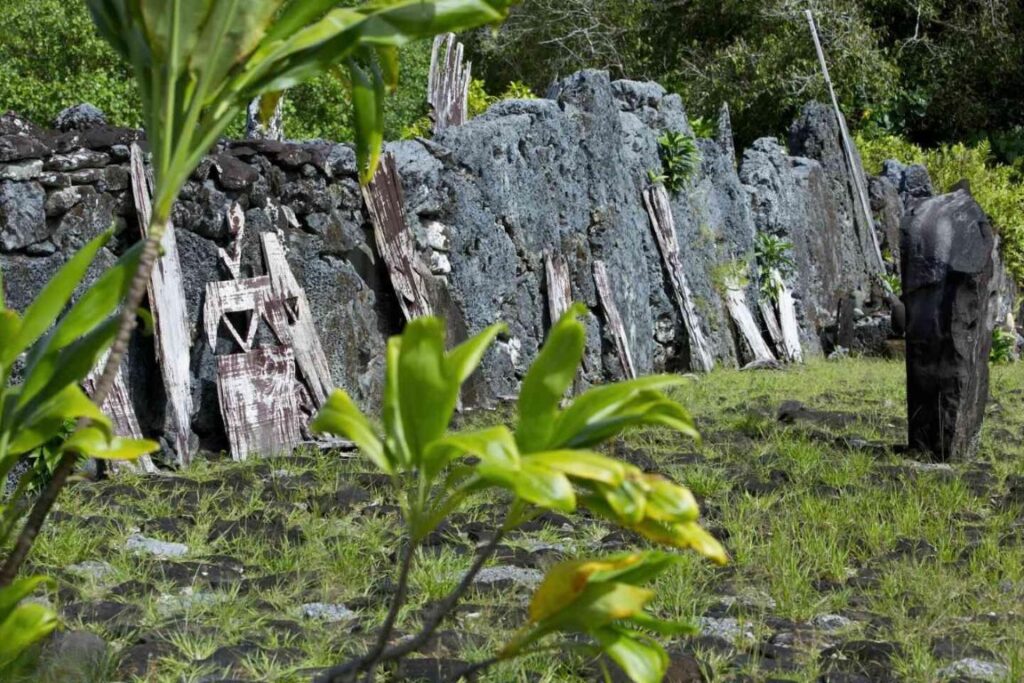
In the Polynesian triangle, Raiatea, formerly known as Havai’i, is considered the cradle of Polynesian civilization. As the first Polynesian island to be settled by sailors and navigators, it was here that all migrations to the three points of the triangle – New Zealand, Hawaii and Easter Island – began. When the Aranoa docks, passengers will be greeted, tiara in ear, by the sounds of “to’ere”. Buses will be waiting to take you to the most spectacular marae in the Polynesian triangle, the 1,000-year-old Taputapuatea, an open-air temple now a UNESCO World Heritage Site. It is considered the religious and spiritual center of all Polynesia. After lunch, take advantage of your afternoon to visit the town of Uturoa and the crafts on the quayside.
Day 13
Return to Tahiti (Papeete)
This is the end of our journey. It is time to say Nānā! (goodbye) to your fellow travellers, the Polynesian staff and the Aranoa guides.
Marquesas Art Festival - 2027
| Cruise # 20 | Monday 13 December – Sunday 26 December | MARQUESAS FESTIVAL – ARANUI 5 |
| Cruise # 21 | Tuesday 14 December – Monday 26 December | MARQUESAS FESTIVAL – ARANOA |
Presidential Suite
- Veranda deck - 6
- 41 m²
- 3 adults
Approximately 41 m² and a 7 m² private balcony, this exterior suite offers a dining and living area with a sofa bed, as well as a separate bedroom with a king bed or twin beds, 2 bathrooms with shower and hair dryer, a refrigerator and a safe.
Double Occupancy
AUD 18,028
price per person
Single Occupancy
AUD 26,733
price per person
Royal Suite
- Veranda deck - 6
- 41 m²
- 3 adults
Approximately 41 m² and a 7 m² private balcony, this exterior suite offers a dining and living area with a sofa bed, as well as a separate bedroom with a king bed or twin beds, 2 bathrooms with shower and hair dryer, a refrigerator and a safe.
Double Occupancy
AUD 14,282
price per person
Single Occupancy
AUD 21,113
price per person
Royal Suite View Obstructed
- Pool deck - 7
- 30 m²
- 3 adults
Approximately 30m² and a 15 m² private balcony, this exterior suite offers a dining and living area with a sofa bed, a bedroom with a king bed or twin beds, a bathroom with a shower and hair dryer, as well as a half bathroom, a refrigerator and a safe.
Double Occupancy
AUD 13,692
price per person
Single Occupancy
AUD 20,228
price per person
Premium Suite
- Veranda deck - 6
- 23 m²
- 2 adults
From approximately 23 m² and a 5 m² private balcony, this exterior suite offers a bedroom with a king bed or twin beds and a living room with a sofa bed, a bathroom with shower and hair dryer, a refrigerator and a safe.
Double Occupancy
AUD 13,084
price per person
Single Occupancy
AUD 19,315
price per person
Junior Suite Without Balcony
- Boat deck - 5, Veranda deck - 6, Pool deck - 7
- 31 m²
- 3 adults
From approximately 31 m² and a 7 m² private balcony, this exterior suite offers a bedroom with a king bed or twin beds and a living room with a sofa bed, a bathroom with shower and hair dryer, a refrigerator and a safe.
Double Occupancy
AUD 12,814
price per person
Single Occupancy
AUD 18,911
price per person
Junior Suite With Balcony
- Boat deck - 5, Pool deck - 7
- 17 m²
- 2 adults
Double Occupancy
AUD 12,814
price per person
Single Occupancy
AUD 18,911
price per person
Superior Deluxe
- Boat deck - 5, Veranda deck - 6, Pool deck - 7
- 16 m²
- 2 adults
From approximately 16 m² and a 5 m² private balcony, this exterior stateroom offers a bedroom with a sitting area, a king bed or twin beds, a bathroom with shower and hair dryer, a refrigerator and a safe.
Double Occupancy
AUD 12,617
price per person
Single Occupancy
AUD 18,616
price per person
Deluxe
- Upper deck - 4, Pool deck - 7, Sun deck - 8
- 15 m²
- 2 adults
From approximately 15 m² and a 5 m² private balcony, this exterior stateroom offers a bedroom with a king bed or twin beds, a bathroom with shower and hair dryer, a refrigerator and a safe.
Double Occupancy
AUD 11,700
price per person
Single Occupancy
AUD 17,240
price per person
Stateroom
- Lower deck - 2, Main deck - 3, Upper deck - 4
- 17 m²
- 2 adults
From approximately 17- 20 m² and no balcony, this exterior stateroom offers a bedroom with a king bed or twin beds, a bathroom with shower and hair dryer, a refrigerator and a safe. A Standard Family Stateroom is also available, offering a 23 m² bedroom with a king bed or two twin beds and a bunk bed with twin beds.
Double Occupancy
AUD 9,502
price per person
Single Occupancy
AUD 13,944
price per person
Stateroom Quadruple
- Lower deck - 2, Main deck - 3, Upper deck - 4
- 17 m²
- 2 adults
From approximately 17- 20 m² and no balcony, this exterior stateroom offers a bedroom with a king bed or twin beds, a bathroom with shower and hair dryer, a refrigerator and a safe. A Standard Family Stateroom is also available, offering a 23 m² bedroom with a king bed or two twin beds and a bunk bed with twin beds.
Quade Occupancy
AUD 9,502
price per person
Single Stateroom
- Lower deck - 2, Main deck - 3, Upper deck - 4
- 17 m²
- 2 adults
From approximately 17- 20 m² and no balcony, this exterior stateroom offers a bedroom with a king bed or twin beds, a bathroom with shower and hair dryer, a refrigerator and a safe. A Standard Family Stateroom is also available, offering a 23 m² bedroom with a king bed or two twin beds and a bunk bed with twin beds.
Quade Occupancy
AUD 13,055
price per person
Class C
- Lower deck - 2, Main deck - 3, Upper deck - 4
- 33 m²
- 1 to 1 adults
Dormitory style accommodations, this category consists of 2 exterior, four passenger cabins of shared space, offering 33 m², 4 single beds, a living and dining area, a bathroom with shower and hair dryer.
Single Occupancy
AUD 5,887
price per person
Presidential Suite
- Veranda deck - 6
- 41 m²
- 3 adults
Approximately 41 m² and a 7 m² private balcony, this exterior suite offers a dining and living area with a sofa bed, as well as a separate bedroom with a king bed or twin beds, 2 bathrooms with shower and hair dryer, a refrigerator and a safe.
Double Occupancy
AUD 18,896
price per person
Single Occupancy
AUD 28,035
price per person
Owner Suite
- Veranda deck - 6
- 41 m²
- 3 adults
Approximately 41 m² and a 7 m² private balcony, this exterior suite offers a dining and living area with a sofa bed, as well as a separate bedroom with a king bed or twin beds, 2 bathrooms with shower and hair dryer, a refrigerator and a safe.
Double Occupancy
AUD 18,896
price per person
Single Occupancy
AUD 28,035
price per person
Grand Royal Suite
- Pool deck - 7
- 30 m²
- 3 adults
Approximately 30m² and a 15 m² private balcony, this exterior suite offers a dining and living area with a sofa bed, a bedroom with a king bed or twin beds, a bathroom with a shower and hair dryer, as well as a half bathroom, a refrigerator and a safe.
Double Occupancy
AUD 18,025
price per person
Single Occupancy
AUD 26,730
price per person
Royal Suite
- Boat deck - 5, Veranda deck - 6, Pool deck - 7
- 31 m²
- 3 adults
From approximately 31 m² and a 7 m² private balcony, this exterior suite offers a bedroom with a king bed or twin beds and a living room with a sofa bed, a bathroom with shower and hair dryer, a refrigerator and a safe.
Double Occupancy
AUD 14,961
price per person
Single Occupancy
AUD 22,134
price per person
Premium Suite
- Veranda deck - 6
- 23 m²
- 2 adults
From approximately 23 m² and a 5 m² private balcony, this exterior suite offers a bedroom with a king bed or twin beds and a living room with a sofa bed, a bathroom with shower and hair dryer, a refrigerator and a safe.
Double Occupancy
AUD 13,703
price per person
Single Occupancy
AUD 20,246
price per person
Junior Suite
- Boat deck - 5, Pool deck - 7
- 17 m²
- 2 adults
Double Occupancy
AUD 13,420
price per person
Single Occupancy
AUD 19,822
price per person
Superior Deluxe
- Boat deck - 5, Veranda deck - 6, Pool deck - 7
- 16 m²
- 2 adults
From approximately 16 m² and a 5 m² private balcony, this exterior stateroom offers a bedroom with a sitting area, a king bed or twin beds, a bathroom with shower and hair dryer, a refrigerator and a safe.
Double Occupancy
AUD 13,214
price per person
Single Occupancy
AUD 19,513
price per person
Deluxe
- Upper deck - 4, Pool deck - 7, Sun deck - 8
- 15 m²
- 2 adults
From approximately 15 m² and a 5 m² private balcony, this exterior stateroom offers a bedroom with a king bed or twin beds, a bathroom with shower and hair dryer, a refrigerator and a safe.
Double Occupancy
AUD 12,251
price per person
Single Occupancy
AUD 18,068
price per person
Stateroom
- Lower deck - 2, Main deck - 3, Upper deck - 4
- 17 m²
- 2 adults
From approximately 17- 20 m² and no balcony, this exterior stateroom offers a bedroom with a king bed or twin beds, a bathroom with shower and hair dryer, a refrigerator and a safe. A Standard Family Stateroom is also available, offering a 23 m² bedroom with a king bed or two twin beds and a bunk bed with twin beds.
Double Occupancy
AUD 9,677
price per person
Single Occupancy
AUD 14,207
price per person
Class C
- Lower deck - 2, Main deck - 3, Upper deck - 4
- 33 m²
- 1 to 1 adults
Dormitory style accommodations, this category consists of 2 exterior, four passenger cabins of shared space, offering 33 m², 4 single beds, a living and dining area, a bathroom with shower and hair dryer.
Single Occupancy
AUD 6,199
price per person
What's included
Rates include
Cruise transportation and related taxes (tourist tax, port tax, fuel, TDC), shipboard accommodation, 3 meals per day, a bottle of wine to share among 4 passengers for scheduled onboard meals, lunches in local restaurants, planned guided shore excursions to remote villages and archaeological sites, cultural dance shows, lecturers onsite and onboard. Rates are per adult, in double or single occupancy. These fares are correct at the time of printing and are subject to change; with or without notice.
Rates do not include
Shipboard purchases, liquor, gratuities, port taxes other than those specifically provided for, and other personal items. Rates quoted at the time of printing are based on current costs and are subject to change up to and including the date of sailing.
Itinerary changes
Routes and activities are indicative and can be modified according to weather conditions or availability. CPTM pledges to make every effort to operate all cruises as advertised. CPTM reserves the right to alter or curtail the itinerary, or substitute sightseeing, ports of call or conveyances as deemed necessary.
Optional excursions
At every port, guests can enjoy included excursions. For a bit more adventure, there are optional activities from which to choose. The optional activities can be booked on board and at an additional cost.
Cruise In The Marquesas Islands
Mythical and mystical. A land that has beckoned explorers and inspired writers, painters and artists. A rugged and breath-taking landscape of peaks, valleys, plateaus, and cliffs. A nation of proud and formidable warriors long ago, distinct from Tahitians, with their own language and culture. A people where a simple smile will win them over. The Marquesas Islands is a world unto itself.
Located 1,500 km northeast of Tahiti, the Marquesas archipel ago consists of 12 islands, only 6 of which are inhabited. The Marquesas Islands emerge from the Pacific Ocean, high and lush. Nature is raw and its charm powerful. It is a land of stories and legends, as fascinating as it is unforgettable. Welcome to the Marquesas, the “Land of Men”.
Henua Enana should be the name one retains of the Marquesas. Each island of the archipelago is one of the foundation pillars of a divine house, built for mankind by Oatea and his wife Atanua.
The two large pillars are represented by the island of Ua Pou; the ridge beam by Hiva Oa; the other beams and rafters by Nuku Hiva; Fatu Hiva, representing the roof; and Tahuata the light at dawn; Mohotani, the song of a bird; and all the remains from the construction became the island of Ua Huka. After the era of the gods came the era of men. However, Spanish prowess, having launched its galleons all over the world as early as the 15th century, decided otherwise. Thus the name Marquesas was given by the Spanish explorer Alvaro de Mendana in 1595, while the four southern islands, observed or explored by sailors from the Spanish expedition, were given the names of saints: Santa Magdalena (Fatu Hiva), Santa Dominica (Hiva Oa), Santa Cristina (Tahuata) and San Pedro (the black rock of Mohotani). The Northern ones were given the honour by an American Joseph Ingraham, , in 1791, who renamed them: Ua Huka became Federal; Nuku Hiva, Washington and Ua Pou, Adams Island.
Posterity soon forgot those names which the Marquesans had always ignored. Meanwhile the Frenchman Etienne Marchand took possession of the archipelago in the name of France and its new regime. These now became the islands of the revolution. History takes a passing delight in these titbits, although only the name ‘Marquesas’ remains. From this administrative denomination, poetry took hold and finally we, the islanders, loved the gentleness of its name. But for you, visitors who wish to feel the history and emotional power of the Marquesas, remember this: these islands at the end of the world are called Henua Enana, the Land of Men.
Frequently Asked Questions
Where are the Marquesas Islands located ?
Located in the northern South Pacific Ocean, 1,500 km northeast of Tahiti, the Marquesas are one of the most remote archipelagos in the world. The Marquesas are spread over 12 islands (11 high islands and 1 atoll), of which only six are inhabited: Nuku Hiva, Ua Pou, Ua Huka, Tahuata, Hiva Oa and Fatu Hiva. Due to their geographical isolation, discovering the Marquesas Islands is a unique experience during a stay in Polynesia. The best way to get there, and sometimes the only way, is on board the Aranui, the essential link with the outside world for Marquesans. The Aranui will take you to some of the most remote villages in the world, which no other boat serves.Located in the North of the South Pacific Ocean, 1,500 km northeast of Tahiti, the Marquesas are one of the most remote archipelagos in the world. This volcanic archipelago is composed of 12 islands (11 high islands and 1 atoll), of which only six are inhabited: Nuku Hiva, Ua Pou, Ua Huka, Tahuata, Hiva Oa and Fatu Hiva. The largest island of the archipelago is Nuku Hiva and is inhabited by about 3000 people. The smallest uninhabited island is Motu Nui, which is only 0.36 km². The Marquesas Islands were discovered in 1595 by Álvaro de Mendaña y Neyra, a Spanish navigator. In 1842, the Marquesas Islands were annexed by France and are now part of French Polynesia. The Marquesas Islands are known as a natural paradise: here, no lagoon, but blocks of lava rising in the middle of the Pacific, streaked with deep green valleys. The Marquesas offer themselves in their authenticity and impose their difference. The Marquesas Archipelago is also known for its unique handicrafts, including tiki statues, wood or bone jewelry, carved pirogues and colorful weavings.
Due to their geographical isolation, discovering the Marquesas Islands is a special experience during a Polynesian holiday (cruise). The best way to get there, sometimes the only way, is on board the cargo ship Aranui, an essential link with the outside world for the Marquesans. The Aranui will take you to some of the most remote villages in the world on an unforgettable cruise, which no other boat serves.
What is the climate in the Marquesas Islands ?
Cooled by the gentle breezes of the South Pacific, the climate of French Polynesia is ideal. Being tropical but moderate, the days are sunny and pleasant, with an average yearly temperature of 27°C, making of French Polynesia a year-round destination. With a hot, humid season during the austral summer (November to April) and a cool, dry season (May to October), the breadth of the geography of French Polynesia means that each group of islands has a slightly different climate.
Being closer to the Equator, the Marquesas Islands have a warmer and wetter sub-tropical climate than of the Society Islands. In the Marquesas archipelago, the driest months are between August and December and the wettest months are March and April, although it is frequently sunny. The southern islands of the Marquesas are the wettest, while the northern islands are the driest. The best time to do a cruise in the Marquesas Islands is between May and December-January, when there is less rain. However, it should be noted that all year round is a good time to visit the Marquesas Islands with the Aranui, the experience being above all based on the discovery of the Marquesan culture and traditions.
Fauna and flora of the Marquesas Islands
The flora, originating from South-East Asia and South America, and the terrestrial fauna arrived in the Marquesas by the ocean, pushed by the winds or the Pacific swell. The Marquesas are characterised by a rich endemic flora, which its isolation has succeeded in preserving and conserving to 50%. The Ua Huka Arboretum protects rare or endangered species and is home to many varieties of Pacific trees. Due to its remote location, the archipelago’s terrestrial fauna is limited. Imported from Chile in the 19th century, horses, which Gauguin was so fond of depicting, are omnipresent on the island and often the only means of locomotion from valley to valley. On Ua Uka, often called the “horse island”, one can find wild horses as well as hundreds of goats. The bird, very important in traditional Marquesan society, has a few endemic species including the “pihiti”, found on Ua Huka, the “upe” on Nuku Hiva, and the “pahi” on Tahuata. Although increasingly threatened today, particularly by rats, the birds live rather serenely in the Marquesas.
Economy of the Marquesas Islands
Until recently, the island’s economic activity was mainly focused on agriculture (copra, lemons, grapefruits) and fishing, but it has gained new impetus, benefiting from the income from public works but also from the exploitation of the “noni”, a tropical fruit known for its health benefits, which is increasingly popular internationally. At the same time, there has been a real boom in the craft and tourism sectors, boosted by the international reputation that its famous guests (Paul Gauguin, Hermann Melville, Jacques Brel) have shaped. Due to its geographical remoteness, maritime freight plays a key function in the economy of the archipelago. The Aranui plays an essential role in this respect, ensuring on the one hand the supply of food products, petroleum products and construction materials and on the other hand the export of local products to Tahiti. Cruises on board our mixed cargo ship are a unique opportunity to witness the unloading of cargo and to meet the local population.
The gastronomy of the Marquesas Islands
In addition to traditional Polynesian dishes, such as Tahitian raw fish, “umu”, cooked for hours in a buried oven, the Marquesas have their own culinary specialities. These include curried goat, “popoi”, a fermented paste made from taro, a tuber grown on the island’s marshy lands. A staple food for Marquesans, the fruit of the breadfruit tree (“uru”) is eaten grilled over a wood fire, fried or baked, or fermented in silos in the Marquesas. This tree also plays a role in the history of Tahiti, since William Bligh was entrusted with the expedition of 1789, which gave rise to the famous Bounty mutiny, in order to acquire a few feet of this plant to acclimatise it in the British colonies.
What language is spoken in the Marquesas Islands?
In addition to French, the official language of French Polynesia, Marquesan is recognised as a French regional language. Distinct from Tahitian, and closer to Hawaiian, of which it is said to be one of the main ancestors, Marquesan is composed of two dialects: “eo enana”, spoken in the north-west of the archipelago, and “eo enata” spoken in the south-east. In 1977, in reaction to a decree imposing Tahitian as a compulsory language in all Polynesian schools, three courageous teachers from Ua Pou, supported by Bishop Hervé Le Cleac’h, set up the Motu Haka association to defend their language. And in 1985, the Marquesans were authorised to teach their language in primary school, which is an exception in all of Polynesia. After two centuries of prohibition, when Marquesans were never allowed to pray in their own language, we are now witnessing a cultural revival of Marquesan heritage, proud and happy to mark its difference.
Stopovers
During the cruise to the Marquesas Islands, Aranui 5 will call at each of the six inhabited islands of this mythical archipelago, where it will deliver the freight. While the crew unloads the goods needed by the islanders the passengers visit the islands with the ship’s English-speaking guides. While Aranui 5 offers several cruises in French Polynesia, this cruise to the Marquesas Islands remains it’s main and historic itinerary. As the main cargo carrier to the Marquesas, Aranui 5 has a vital link with this archipelago.
Hiva Oa, the island of artists
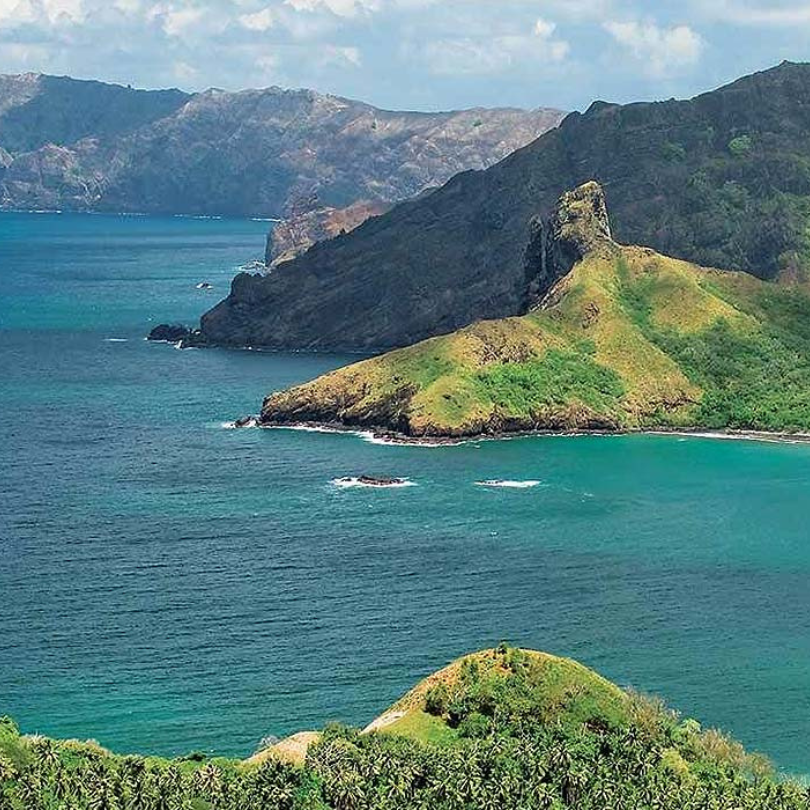
According to legend, Hiva Oa is the main beam of God’s “big house.” Today, it is commonly named the “Garden of the Marquesas” thanks to its fertile and lush land. The island features endless untouched nature: green, invading, and bright. Roads and houses are rarely seen. The island’s rugged landscapes blend sharp ridges, peaks and valleys scattered with archaeological sites and ruins, and is home to the largest tiki statues of French Polynesia. Hiva Oa is lined with black sand beaches and sharp cliffs diving in to the Pacific Ocean. The island’s main village, Atuona, is nestled at the end of Taaao Bay and overlooked by the highest mountains (Mount Temetiu – 4,186 ft. and Mount fe’ani – 3,366 ft.). This is also the place where two famous artists chose to live their lives: the French painter Paul Gauguin and the French poet, singer and actor Jacques Brel.
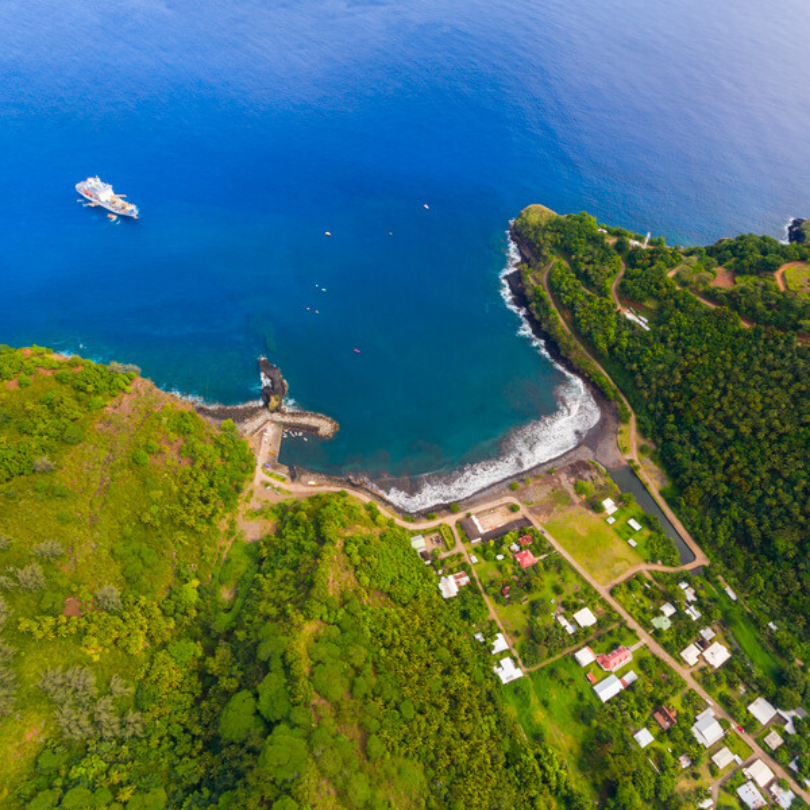
Fatu Hiva, the remote island of the Marquesas
Fatu Hiva symbolizes the roof of Gods’ house: a small but stunning island. Arriving by sea, passengers are greeted by sheer landscapes and pristine vegetation. Fatu Hiva will mesmerize visitors. In 1937, Thor Heyerdahl and his wife, in their search for a genuine return to nature, set foot on the island to live as if at the dawn of the new world. Not much has changed. Today, most local people live around the village of Omoa where they make traditional and renowned tapa out of tree bark. The village of Hanavave is sheltered within an amazing bay: the Bay of the Virgins, probably one of the most beautiful bays on Earth, especially at dusk when the light illuminates the volcanic peaks turning the landscape into an unreal and unforgettable scene.
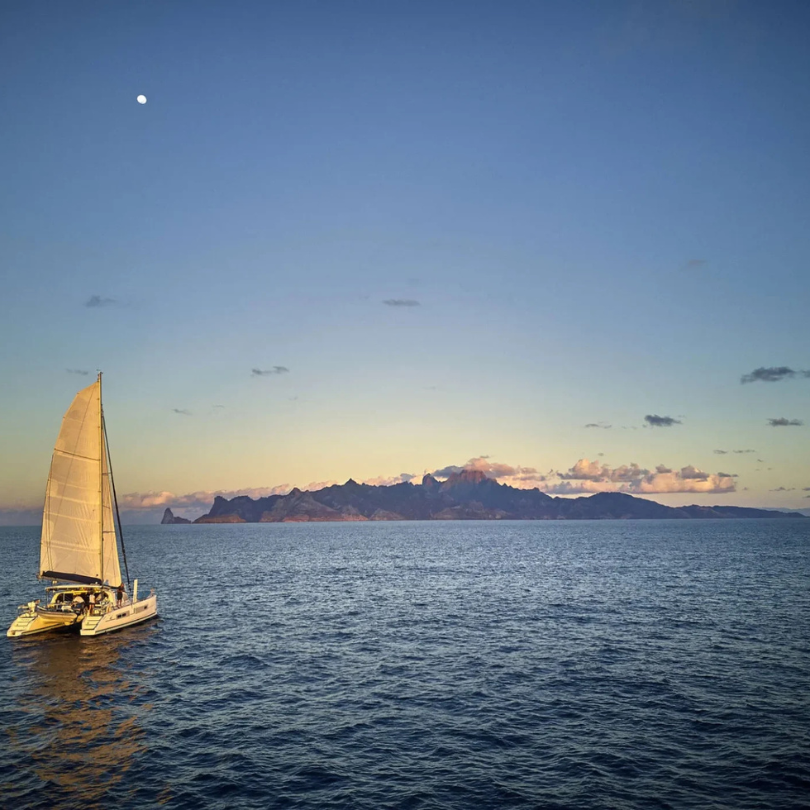
Ua Pou, mainstay of the Marquesas
Ua Pou symbolizes the entrance pillars to God’s house. Huge basaltic columns reach the sky and hold the names of legendary warriors: Poutetaunui and Poumaka. In 1888, they inspired poet Robert Louis Stevenson, who mentioned them as “volcanic arrows looking like a church bell tower.” They proudly overlook the bay of Hakahau village, the main village on the island.
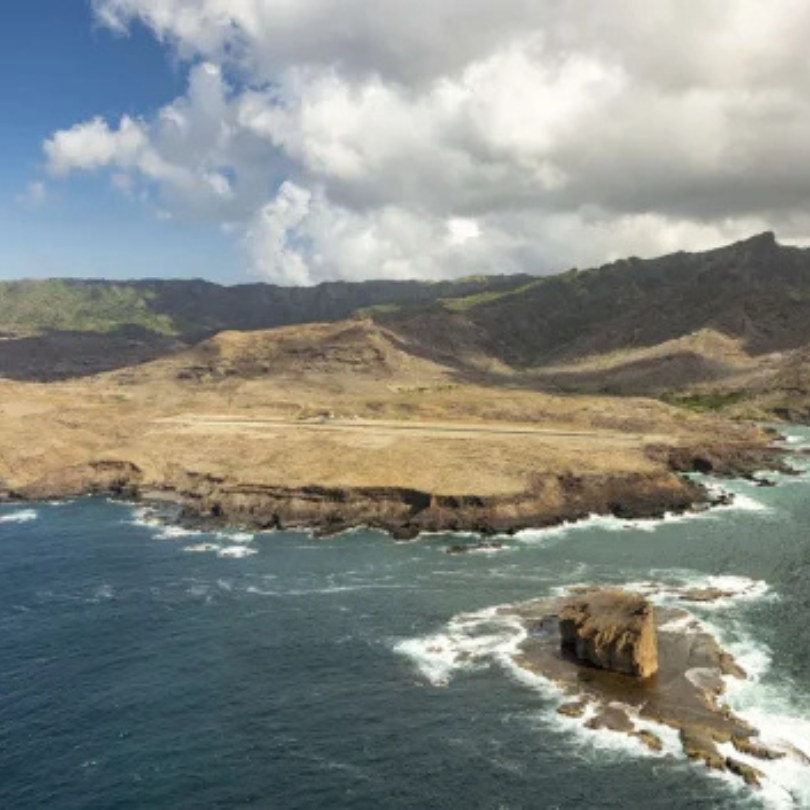
Ua Huka, the horse island
Ua Huka symbolizes the “food basket” at God’s house and features more untouched beauty and is renowned for its dry soil and landscapes. Wild horses gallop as far as the eye can see around this desert-coloured land. Goats climb up on the island’s high plains. Peaceful and mystical, Ua Huka invites the traveller to discover a secluded universe, where the island’s ancestors are not just a part of the past but still very much part of the islander’s everyday life.
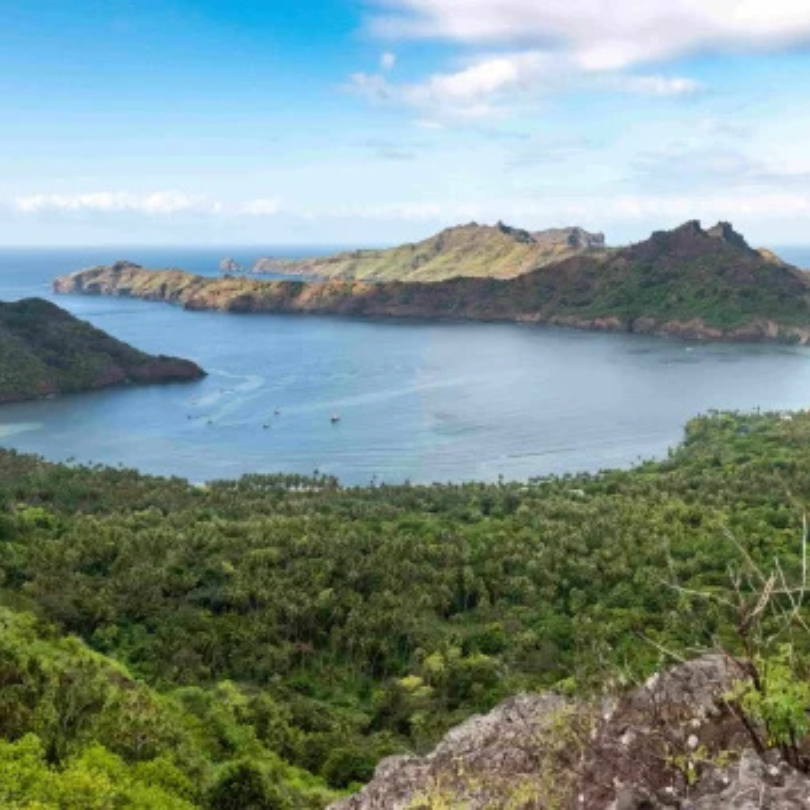
Nuku Hiva, the largest island in the archipelago
If God had a “big house” symbolizing the Marquesas Islands, the largest of them – Nuku Hiva – would represent the top of the framework. The vertiginous volcanic peaks and amazing slopes blend with the blue of the Pacific Ocean. A special universe opens its doors. The starting point of your adventure is Taioha’e, the archipelago’s regional capital, opening at the end of a large bay holding the same name. Outstanding landscapes, an incredible archaeological history, great stories and a rich culture are all to be discovered alongside a friendly population.
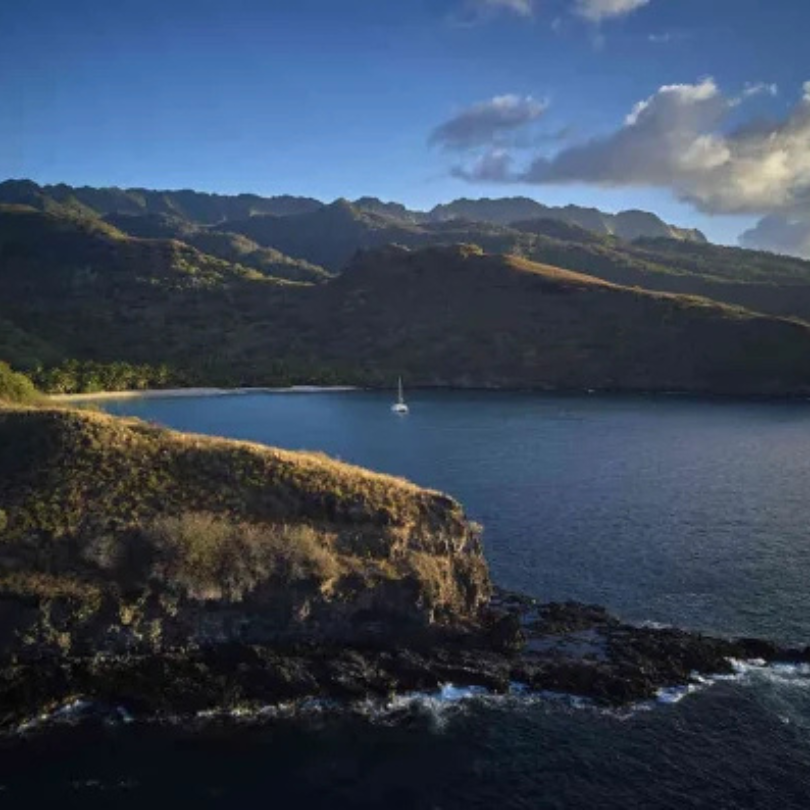
Tahuata, the authentic Marquesas Island
Tahuata symbolizes “sunrise” or “the enlightening home” at God’s house: a poetic image expressing reality so well. Small, Tahuata is only accessed by sea from Hiva Oa. The island offers charming discoveries to the privileged traveller. From its fertile valleys to its crystal-clear bays, Tahuata is an exquisite haven of peace, a place of history and creativity. Most inhabitants make a living out of their remarkable fine artwork, such as bone and rosewood – or miro (Thespesia populnea) carving. Mono’i is made following the scents of traditions and secrets, like an invitation to a mesmerizing perfume beautifully named “love potion” by the islanders.